Veröffentlicht am

Botox Dosage and Administration: A Technical Guide to Clinical Application

Botulinum toxin type A, commonly known as Botox, represents one of the most widely utilized neurotoxin therapies in modern medicine. Since its FDA approval for cosmetic use in 2002, the clinical understanding of optimal dosing, reconstitution protocols, and injection techniques has evolved significantly. For practitioners seeking to achieve predictable, safe, and aesthetically pleasing outcomes, mastering the technical aspects of Botox administration is essential.

This article provides a comprehensive overview of Botox dosage parameters, reconstitution guidelines, injection techniques, and safety considerations based on current clinical evidence.

Mechanism of Action: The Scientific Foundation

Botox exerts its effects by cleaving SNAP-25, a protein essential for the docking and release of acetylcholine at the neuromuscular junction. This process temporarily inhibits neurotransmitter release, resulting in localized muscle relaxation. The onset of action typically occurs within 24 to 72 hours, with peak effects observed between 10 and 14 days post-injection. Duration of effect ranges from three to six months, depending on dosage, injection site, and individual patient metabolism.

Understanding this mechanism is critical for determining appropriate dosing strategies and managing patient expectations.

Reconstitution Protocols: Achieving Accurate Dosing

Proper reconstitution of Botox is the foundation of accurate dosing. Botox is supplied as a vacuum-dried powder in vials containing 50, 100, or 200 units. Reconstitution should be performed using sterile, preservative-free 0.9% sodium chloride injection.

Vial Size Dilution Volume Final Concentration
100 units 1.0 mL 10 units / 0.1 mL
100 units 2.0 mL 5 units / 0.1 mL
100 units 2.5 mL 4 units / 0.1 mL
100 units 4.0 mL 2.5 units / 0.1 mL

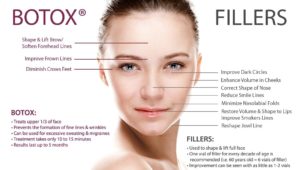
Standard dilution for cosmetic use is typically 2.0 mL to 2.5 mL of saline per 100-unit vial, yielding a concentration of 4–5 units per 0.1 mL. Lower concentrations (more dilute) are often preferred for larger surface areas to reduce the risk of diffusion-related complications. Higher concentrations (more concentrated) are used for precise, targeted muscle groups such as the orbicularis oculi.

Reconstituted Botox should be stored under refrigeration (2°C to 8°C) and used within 24 hours for optimal potency, though many practitioners use it within four hours to ensure maximum efficacy.

Dosage Guidelines by Treatment Area

Dosing varies significantly based on muscle mass, gender, desired effect intensity, and prior treatment history. The following represent standard dosage ranges for common cosmetic indications.

Glabellar Complex (Frown Lines)

  • Total dosage: 20 units (range 16–30 units)

  • Injection points: 5 sites (procerus, corrugators)

  • Technical note: Injection should be placed into the corrugator supercilii and procerus muscles, avoiding the levator palpebrae to prevent ptosis.

Forehead Lines (Frontalis Muscle)

  • Total dosage: 8–20 units (variable based on muscle strength)

  • Injection points: 4–8 sites, typically 1–2 cm above the orbital rim

  • Technical note: Dosing must account for the balance between frontalis and brow depressors; overdosing can result in brow ptosis or a flattened appearance.

Crow’s Feet (Lateral Orbital Lines)

  • Total dosage per side: 8–12 units

  • Injection points: 3 sites per side, placed 1–1.5 cm lateral to the orbital rim

  • Technical note: Superficial intradermal injections reduce the risk of ecchymosis and diffusion to the zygomaticus major, which can affect smile symmetry.

Bunny Lines (Nasalis Muscle)

  • Total dosage: 4–6 units

  • Injection points: 1–2 sites per side along the dorsum of the nose

  • Technical note: Use small volumes and superficial placement to avoid diffusion into the levator labii superioris.

Mentalis (Chin)

  • Total dosage: 4–8 units

  • Injection points: 1–2 sites

  • Technical note: Indicated for “peau d’orange” texture or chin dimpling; injection should be placed into the mentalis muscle belly.

Masseter Muscle (Jaw Contouring / Bruxism)

  • Total dosage per side: 20–30 units

  • Injection points: 2–3 sites per side, distributed along the masseter belly

  • Technical note: Palpate the muscle during contraction to identify the widest point; deeper intramuscular injection ensures optimal effect.

Platysmal Bands (Neck)

  • Total dosage per band: 5–10 units

  • Injection points: 2–3 sites along each band

  • Technical note: Superficial, horizontal injection technique with the band pinched between fingers minimizes the risk of dysphagia.

Therapeutic Dosage Indications

Beyond cosmetic applications, Botox is utilized for several therapeutic indications with distinct dosing protocols.

Indication Total Dosage Injection Sites
Chronic Migraine 155 units 31 sites across head and neck
Axillary Hyperhidrosis 50 units per axilla 10–15 sites per side
Cervical Dystonia 200–300 units Divided among affected neck muscles
Upper Limb Spasticity 200–400 units Distributed to target muscle groups

These therapeutic protocols follow established injection paradigms and should be administered in accordance with FDA-approved guidelines.

Injection Technique: Precision and Safety

Needle Selection

  • 30-gauge, 0.5-inch needle: Standard for most cosmetic applications

  • 32-gauge, 0.375-inch needle: Preferred for periocular areas and fine lines

  • 27-gauge, 1.5-inch needle: Used for deeper muscles such as masseter or cervical dystonia

Injection Depth

  • Intradermal: Superficial injection for fine lines and hyperhidrosis

  • Subcutaneous: For platysmal bands and superficial muscles

  • Intramuscular: Required for masseter, glabellar complex, and spasticity

Common Technical Errors

  • Diffusion to unintended muscles: Caused by excessive volume, overly dilute concentration, or post-injection massage

  • Brow ptosis: Results from frontalis overdosing or diffusion to levator palpebrae

  • Ectropion: Occurs when injection of lateral orbicularis is placed too close to the lower lid margin

  • Asymmetry: Often due to unequal dosing between contralateral muscles

Safety Considerations and Contraindications

Absolute Contraindications

  • Known hypersensitivity to botulinum toxin or any formulation component

  • Infection at the intended injection site

  • Myasthenia gravis or Eaton-Lambert syndrome

Relative Contraindications

  • Pregnancy or breastfeeding

  • Concurrent use of aminoglycoside antibiotics or other neuromuscular blockers

  • Bleeding disorders or anticoagulant therapy

Adverse Events

Most adverse events are mild, transient, and injection-site related. These include:

  • Ecchymosis (incidence 5–10%)

  • Headache (incidence 5%)

  • Transient brow or eyelid ptosis (incidence 1–3% with proper technique)

Conclusion

Effective Botox administration requires a comprehensive understanding of reconstitution protocols, muscle anatomy, dosage optimization, and injection technique. Precise dosing—tailored to each patient’s unique anatomy and treatment goals—is essential for achieving consistent, natural-looking results while minimizing adverse events. As the clinical applications of botulinum toxin continue to expand, maintaining rigorous technical standards remains the cornerstone of safe and effective practice.

Visit www.RasputinShop.com for the quality Botox.

Veröffentlicht am

Botox: A Refresh for Your Confidence

In the world of modern aesthetics, few things offer the elegant simplicity of a Botox treatment. More than just a procedure, it has become a trusted tool for individuals seeking to put their best face forward, quite literally. The core benefit of Botox lies in its ability to gently soften the appearance of dynamic lines—those wrinkles formed by a lifetime of smiling, concentrating, and expressing ourselves.

The result is not a drastic change, but a subtle refresh. People often report looking less tired, less stressed, and more vibrant, all while maintaining their natural ability to express and emote. This subtlety is key; the goal is a rejuvenated version of oneself, not a different person.

The impact of this refresh often extends beyond the mirror. When people feel better about their appearance, it can spark a powerful, positive shift in their daily lives. That renewed self-assurance can be the key to a more confident posture in a meeting, a more radiant presence at a social gathering, or simply a boost in one’s own personal satisfaction.

By offering a way to gracefully manage the visible signs of aging, Botox serves as a popular choice for those wishing to align their outer appearance with their inner vitality. It’s a brief, in-office treatment that provides a long-lasting reminder of one’s own commitment to self-care and personal confidence.

Veröffentlicht am

The New Frontier: Scientific Research Into Longevity Products

The ancient human quest for longevity is undergoing a radical transformation, moving from myth to molecule. Today, a vibrant field of scientific research is dedicated not just to extending lifespan, but to dramatically improving “healthspan”—the period of life spent in good health. This research is uncovering a fascinating array of products and compounds that target the fundamental mechanisms of ageing itself.

At the forefront are molecules that mimic the body’s own pathways for repair and maintenance. Compounds like NMN (Nicotinamide Mononucleotide) and Resveratrol are being rigorously studied for their ability to boost levels of NAD+, a critical coenzyme that powers cellular repair and energy production. The goal is to rejuvenate cellular function, effectively making old cells behave more youthfully.

Another exciting area is senolytics, a class of drugs designed to selectively clear out “senescent” or zombie cells. These are cells that have stopped dividing and accumulate with age, secreting harmful inflammatory factors that drive age-related decline. Early research suggests that clearing these cells can improve tissue function and delay the onset of multiple age-related diseases.

Beyond pills and powders, the research extends to advanced therapies. Gene therapies and epigenetic reprogramming represent the cutting edge, exploring how to reset the genetic instructions that deteriorate over time. The aim is to restore cellular resilience and function at the most fundamental level.

This research is characterized by a paradigm shift: instead of treating individual diseases like cancer or dementia one at a time, scientists are now targeting the underlying biological process of ageing itself. The promise is a future where a combination of these interventions could help us live not only longer, but with more vitality, strength, and cognitive clarity for decades to come. It’s a bold new chapter in science, one that aims to add more life to our years.

Veröffentlicht am

A New Dawn: Embracing the Promise of Anti-Ageing Therapy

For centuries, the quest for youth was the stuff of myth and alchemy. Today, it is being reshaped by science into a powerful new vision for human health: anti-ageing therapy. This evolving field is not about a magical fountain of youth, but about a profound shift—from merely treating the symptoms of ageing to targeting its underlying causes.

The goal of modern anti-ageing science is “healthspan”: not just adding years to life, but adding life to those years. Researchers are moving beyond skin-deep solutions to focus on cellular rejuvenation. They are investigating how to protect our telomeres (the protective caps on our chromosomes), clear out senescent “zombie” cells that drive inflammation, and enhance the body’s natural repair mechanisms.

This isn’t science fiction. From promising compounds that mimic the benefits of caloric restriction to breakthroughs in genetic understanding, the progress is tangible. The positive impact is immense. Imagine a future where we can live decades longer while remaining physically active, mentally sharp, and free from the chronic diseases that often overshadow our later years.

The true beauty of this new approach is its empowering, preventive nature. It encourages a proactive partnership between individuals and their health, combining potential future therapies with the proven foundations of wellness: a balanced diet, regular exercise, and strong social connections.

Anti-ageing therapy represents a hopeful frontier, not of vanity, but of vitality. It’s the promise of a longer, healthier, and more vibrant chapter of life, allowing us to contribute, create, and enjoy the world around us for longer than ever before. The future of growing older is looking brighter every day.

Veröffentlicht am

Botox vs. Dysport: Understanding the Key Differences

Both Botox and Dysport are highly popular injectable treatments used to reduce the appearance of fine lines and wrinkles. While they share a common goal and fundamental mechanism, there are distinct differences between the two that are worth understanding.

The Common Ground

At their core, both Botox and Dysport are formulations of a purified protein derived from Botulinum Toxin Type A. They work by temporarily blocking the nerve signals that cause muscle contractions. When injected into specific facial muscles, this relaxation effect smooths out the dynamic wrinkles formed by repeated movements, such as frown lines, crow’s feet, and forehead lines.

The Notable Differences

Molecular Size and Diffusion: This is one of the most significant technical differences. Dysport molecules are slightly smaller than those of Botox. This can influence how the product diffuses (spreads) in the tissue after injection. Dysport’s formulation may lead to a wider area of effect from each injection point, which can be beneficial for treating broader areas like the forehead.

Onset of Results: While both treatments take time to reach their full effect, many patients and practitioners note a difference in how quickly results become visible. Dysport often begins to show effects a bit sooner, sometimes within 2-3 days, with full results apparent after about a week. Botox typically takes around 3-7 days to begin working, with full results visible at the 10-14 day mark.

Unit Conversion and Formulation: The units of measurement for Botox and Dysport are not equivalent. Dysport units are not directly comparable to Botox units due to differences in their potency and diffusion characteristics. An experienced medical professional understands this conversion and will determine the correct dosage for each product to achieve natural-looking, effective results.

Choosing the Right Treatment

The choice between Botox and Dysport is not about one being universally better than the other. It is about which product may be better suited for a specific area, desired effect, or individual patient’s anatomy and goals. A qualified healthcare provider can make this assessment based on their expertise and your unique facial structure.

In essence, both Botox and Dysport are excellent, FDA-approved options for achieving a smoother, more refreshed appearance. The best way to decide is through a consultation with a trusted medical professional who can recommend the right treatment plan for you.

You may buy Dysport at www.davinciomen.com

Veröffentlicht am

The Art of the Refresh: A Positive Look at Botox

In the modern quest for well-being and self-confidence, Botox has emerged as a celebrated tool for positive change. Far more than a mere cosmetic procedure, it offers a subtle yet powerful way for individuals to align their outer appearance with their inner vitality.

The primary gift of Botox is its unparalleled ability to soften the visible signs of time. Those lines etched by years of laughter, concentration, and expression are not erased, but gently softened. This results in a refreshed and rejuvenated look that many describe as looking less tired, less stressed, and more like their best self. It’s not about creating a mask of youth, but about offering a quiet confidence that comes from looking as vibrant as one feels.

Beyond the aesthetics, Botox has proven to be a profound booster of self-esteem. In a world where first impressions matter, feeling good about one’s reflection can translate into increased confidence in social interactions, the workplace, and one’s personal life. This psychological lift is a significant, often overlooked benefit. The procedure is also remarkably quick, requiring minimal downtime, which allows individuals to seamlessly integrate it into their busy lives and return to their routines almost immediately.

Ultimately, Botox is about choice and control. It is a personal decision to invest in oneself, offering a safe and effective method for graceful aging. It empowers individuals to navigate the passage of time on their own terms, choosing to refresh their appearance while preserving the unique character and expressions that make them who they are. For millions, it is a small step that makes a world of difference in their journey of self-care.

You may buy Botox at www.davinciomen.com