Deprecated: Function get_magic_quotes_gpc() is deprecated in /var/www/clients/client0/web4/web/wp-includes/formatting.php on line 4387 Botox Archives - Davinci Omen | Best High Quality Gear - buy Winstrol online
Botox Usage: A Short Guide to Benefits and Safety and where to buy in US prescription-free
Beauty, Cosmetology, Beautician, Injecting, Women
Botox remains one of the most popular cosmetic treatments worldwide. But what exactly is Botox usage, and what should you know before trying it?
What Is Botox and How Does It Work?
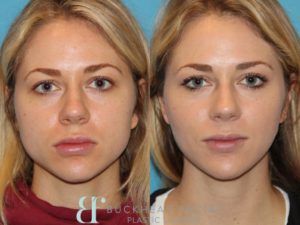
Botox is a purified form of botulinum toxin type A. When injected in tiny doses, it temporarily blocks nerve signals to specific muscles. Those muscles relax, which softens or eliminates wrinkles caused by repeated facial expressions.
Common Botox usage areas include:
Frown lines (between the eyebrows)
Forehead lines (horizontal creases)
Crow’s feet (lines around the eyes)
Key Benefits Beyond Wrinkles
While cosmetic use dominates, Botox also treats several medical conditions:
Chronic migraines
Excessive underarm sweating (hyperhidrosis)
Eye twitching (blepharospasm)
Neck muscle spasms (cervical dystonia)
What to Expect During Treatment
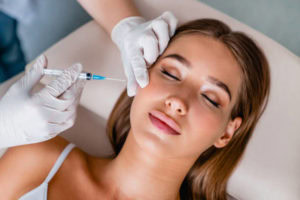
A standard Botox session takes 10–15 minutes. Using a very fine needle, a practitioner injects small amounts into targeted muscles. Most people report only mild discomfort.
Results timeline:
Days 1–3: First effects appear
Days 7–14: Full results visible
Duration: 3–4 months on average
Maintenance: Repeat treatments preserve the effect
Safety and Side Effects
Botox is FDA-approved and generally safe when administered by a qualified medical professional. Common, temporary side effects include:
Mild bruising or swelling at injection sites
Temporary headache
Slight drooping of an eyelid (rare, resolves quickly)
Serious complications are extremely rare with proper dosing and technique. Always choose a licensed injector (doctor, nurse practitioner, or physician assistant) with cosmetic dermatology or plastic surgery experience.
Who Should Avoid Botox?
Botox may not be right for you if you are:
Pregnant or breastfeeding
Allergic to any botulinum toxin product
Experiencing infection at the injection site
Taking certain muscle relaxants or blood thinners (consult your doctor)
Quick Takeaways
Botox safely softens expression lines by relaxing facial muscles
Results appear within two weeks and last 3–4 months
Medical Botox usage treats migraines, sweating, and muscle spasms
Always see a licensed, experienced injector for best results
Botulinum toxin type A, commonly known as Botox, represents one of the most widely utilized neurotoxin therapies in modern medicine. Since its FDA approval for cosmetic use in 2002, the clinical understanding of optimal dosing, reconstitution protocols, and injection techniques has evolved significantly. For practitioners seeking to achieve predictable, safe, and aesthetically pleasing outcomes, mastering the technical aspects of Botox administration is essential.
This article provides a comprehensive overview of Botox dosage parameters, reconstitution guidelines, injection techniques, and safety considerations based on current clinical evidence.
Mechanism of Action: The Scientific Foundation
Botox exerts its effects by cleaving SNAP-25, a protein essential for the docking and release of acetylcholine at the neuromuscular junction. This process temporarily inhibits neurotransmitter release, resulting in localized muscle relaxation. The onset of action typically occurs within 24 to 72 hours, with peak effects observed between 10 and 14 days post-injection. Duration of effect ranges from three to six months, depending on dosage, injection site, and individual patient metabolism.
Understanding this mechanism is critical for determining appropriate dosing strategies and managing patient expectations.
Reconstitution Protocols: Achieving Accurate Dosing
Proper reconstitution of Botox is the foundation of accurate dosing. Botox is supplied as a vacuum-dried powder in vials containing 50, 100, or 200 units. Reconstitution should be performed using sterile, preservative-free 0.9% sodium chloride injection.
Vial Size
Dilution Volume
Final Concentration
100 units
1.0 mL
10 units / 0.1 mL
100 units
2.0 mL
5 units / 0.1 mL
100 units
2.5 mL
4 units / 0.1 mL
100 units
4.0 mL
2.5 units / 0.1 mL
Standard dilution for cosmetic use is typically 2.0 mL to 2.5 mL of saline per 100-unit vial, yielding a concentration of 4–5 units per 0.1 mL. Lower concentrations (more dilute) are often preferred for larger surface areas to reduce the risk of diffusion-related complications. Higher concentrations (more concentrated) are used for precise, targeted muscle groups such as the orbicularis oculi.
Reconstituted Botox should be stored under refrigeration (2°C to 8°C) and used within 24 hours for optimal potency, though many practitioners use it within four hours to ensure maximum efficacy.
Dosage Guidelines by Treatment Area
Dosing varies significantly based on muscle mass, gender, desired effect intensity, and prior treatment history. The following represent standard dosage ranges for common cosmetic indications.
Glabellar Complex (Frown Lines)
Total dosage: 20 units (range 16–30 units)
Injection points: 5 sites (procerus, corrugators)
Technical note: Injection should be placed into the corrugator supercilii and procerus muscles, avoiding the levator palpebrae to prevent ptosis.
Forehead Lines (Frontalis Muscle)
Total dosage: 8–20 units (variable based on muscle strength)
Injection points: 4–8 sites, typically 1–2 cm above the orbital rim
Technical note: Dosing must account for the balance between frontalis and brow depressors; overdosing can result in brow ptosis or a flattened appearance.
Crow’s Feet (Lateral Orbital Lines)
Total dosage per side: 8–12 units
Injection points: 3 sites per side, placed 1–1.5 cm lateral to the orbital rim
Technical note: Superficial intradermal injections reduce the risk of ecchymosis and diffusion to the zygomaticus major, which can affect smile symmetry.
Bunny Lines (Nasalis Muscle)
Total dosage: 4–6 units
Injection points: 1–2 sites per side along the dorsum of the nose
Technical note: Use small volumes and superficial placement to avoid diffusion into the levator labii superioris.
Mentalis (Chin)
Total dosage: 4–8 units
Injection points: 1–2 sites
Technical note: Indicated for “peau d’orange” texture or chin dimpling; injection should be placed into the mentalis muscle belly.
Masseter Muscle (Jaw Contouring / Bruxism)
Total dosage per side: 20–30 units
Injection points: 2–3 sites per side, distributed along the masseter belly
Technical note: Palpate the muscle during contraction to identify the widest point; deeper intramuscular injection ensures optimal effect.
Platysmal Bands (Neck)
Total dosage per band: 5–10 units
Injection points: 2–3 sites along each band
Technical note: Superficial, horizontal injection technique with the band pinched between fingers minimizes the risk of dysphagia.
Therapeutic Dosage Indications
Beyond cosmetic applications, Botox is utilized for several therapeutic indications with distinct dosing protocols.
Indication
Total Dosage
Injection Sites
Chronic Migraine
155 units
31 sites across head and neck
Axillary Hyperhidrosis
50 units per axilla
10–15 sites per side
Cervical Dystonia
200–300 units
Divided among affected neck muscles
Upper Limb Spasticity
200–400 units
Distributed to target muscle groups
These therapeutic protocols follow established injection paradigms and should be administered in accordance with FDA-approved guidelines.
Injection Technique: Precision and Safety
Needle Selection
30-gauge, 0.5-inch needle: Standard for most cosmetic applications
32-gauge, 0.375-inch needle: Preferred for periocular areas and fine lines
27-gauge, 1.5-inch needle: Used for deeper muscles such as masseter or cervical dystonia
Injection Depth
Intradermal: Superficial injection for fine lines and hyperhidrosis
Subcutaneous: For platysmal bands and superficial muscles
Intramuscular: Required for masseter, glabellar complex, and spasticity
Common Technical Errors
Diffusion to unintended muscles: Caused by excessive volume, overly dilute concentration, or post-injection massage
Brow ptosis: Results from frontalis overdosing or diffusion to levator palpebrae
Ectropion: Occurs when injection of lateral orbicularis is placed too close to the lower lid margin
Asymmetry: Often due to unequal dosing between contralateral muscles
Safety Considerations and Contraindications
Absolute Contraindications
Known hypersensitivity to botulinum toxin or any formulation component
Infection at the intended injection site
Myasthenia gravis or Eaton-Lambert syndrome
Relative Contraindications
Pregnancy or breastfeeding
Concurrent use of aminoglycoside antibiotics or other neuromuscular blockers
Bleeding disorders or anticoagulant therapy
Adverse Events
Most adverse events are mild, transient, and injection-site related. These include:
Ecchymosis (incidence 5–10%)
Headache (incidence 5%)
Transient brow or eyelid ptosis (incidence 1–3% with proper technique)
Conclusion
Effective Botox administration requires a comprehensive understanding of reconstitution protocols, muscle anatomy, dosage optimization, and injection technique. Precise dosing—tailored to each patient’s unique anatomy and treatment goals—is essential for achieving consistent, natural-looking results while minimizing adverse events. As the clinical applications of botulinum toxin continue to expand, maintaining rigorous technical standards remains the cornerstone of safe and effective practice.