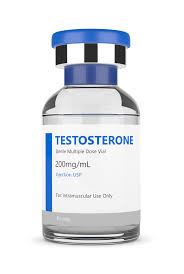
 For decades, one of the most effective strategies for treating prostate cancer has involved a counterintuitive approach: drastically lowering a hormone typically associated with vitality and masculinity.
The logic behind this treatment, known as Androgen Deprivation Therapy (ADT), is rooted in the biology of the cancer itself. Most prostate cancer cells act like seeds in dry soil; without testosterone, they struggle to grow and spread.
However, while starving the cancer of testosterone can be a life-saving measure, the treatment comes with a significant cost. Because testosterone is essential for overall health, reducing it to very low levels can trigger a cascade of side effects that profoundly impact a patient’s quality of life.
The Mechanism: Fuel to the Fire
To understand the treatment, one must understand the fuel. Testosterone is the primary androgen (male sex hormone) that drives the growth of the prostate. In the majority of prostate cancer cases, the cancer cells are “fueled” by this hormone. By using medication to either stop the body from producing testosterone or block the hormone from attaching to the cancer cells, physicians can effectively put a pause on the disease’s progression.
The Cost of Treatment
While ADT is effective at controlling cancer, the systemic nature of the therapy means it affects the entire body. Patients undergoing this treatment often experience a range of side effects, which can include:
-
Physical Exhaustion: Severe, persistent fatigue is one of the most common complaints.
-
Metabolic Changes: Many patients experience a loss of lean muscle mass coupled with weight gain, particularly increased body fat.
-
Sexual Health: A sharp decline in libido (sex drive) is almost universal.
-
Thermoregulation: Hot flashes, similar to those experienced during menopause, are frequent and disruptive.
-
Emotional Well-being: The hormonal shift can lead to significant mood changes, including irritability and depression.
Long-Term Risks
Beyond the immediate side effects, prolonged reduction of testosterone introduces serious long-term health risks. Because testosterone helps maintain bone density, patients on ADT face a higher risk of osteopenia and osteoporosis, making them more susceptible to fractures. Additionally, the metabolic changes associated with the therapy increase the risk of cardiovascular issues, adding another layer of complexity to the patient’s overall health management.
A Balancing Act
For men with advanced or high-risk prostate cancer, lowering testosterone remains a cornerstone of care. However, modern oncology increasingly focuses on balancing efficacy with quality of life. Patients undergoing this therapy are often advised to engage in resistance training to combat muscle loss, maintain a healthy diet to manage weight, and work closely with their oncologist to monitor bone density and heart health.
Ultimately, reducing testosterone to fight cancer is a powerful tool, but it is one that requires careful management to mitigate the profound systemic effects it has on the rest of the body.
Treatment
One of the ways to eliminate the most dangerous for tumor testosterone type – dihydrotestosterone is to use finasteride (Proscar, Fincar) drug. Dihydrotestosterone is derivative of regular testosterone and it has three times more androgenic properties which is good for muscles, ripping and libido. Unfortunately, it’s the biggest problem for prostate tumor as well as male type baldness. Eliminating it notably decreases tumor growth.