Publié le

The Double-Edged Sword: Lowering Testosterone to Fight Prostate Cancer

For decades, one of the most effective strategies for treating prostate cancer has involved a counterintuitive approach: drastically lowering a hormone typically associated with vitality and masculinity.

The logic behind this treatment, known as Androgen Deprivation Therapy (ADT), is rooted in the biology of the cancer itself. Most prostate cancer cells act like seeds in dry soil; without testosterone, they struggle to grow and spread.

However, while starving the cancer of testosterone can be a life-saving measure, the treatment comes with a significant cost. Because testosterone is essential for overall health, reducing it to very low levels can trigger a cascade of side effects that profoundly impact a patient’s quality of life.

The Mechanism: Fuel to the Fire

To understand the treatment, one must understand the fuel. Testosterone is the primary androgen (male sex hormone) that drives the growth of the prostate. In the majority of prostate cancer cases, the cancer cells are “fueled” by this hormone. By using medication to either stop the body from producing testosterone or block the hormone from attaching to the cancer cells, physicians can effectively put a pause on the disease’s progression.

The Cost of Treatment

While ADT is effective at controlling cancer, the systemic nature of the therapy means it affects the entire body. Patients undergoing this treatment often experience a range of side effects, which can include:

  • Physical Exhaustion: Severe, persistent fatigue is one of the most common complaints.

  • Metabolic Changes: Many patients experience a loss of lean muscle mass coupled with weight gain, particularly increased body fat.

  • Sexual Health: A sharp decline in libido (sex drive) is almost universal.

  • Thermoregulation: Hot flashes, similar to those experienced during menopause, are frequent and disruptive.

  • Emotional Well-being: The hormonal shift can lead to significant mood changes, including irritability and depression.

Long-Term Risks

Beyond the immediate side effects, prolonged reduction of testosterone introduces serious long-term health risks. Because testosterone helps maintain bone density, patients on ADT face a higher risk of osteopenia and osteoporosis, making them more susceptible to fractures. Additionally, the metabolic changes associated with the therapy increase the risk of cardiovascular issues, adding another layer of complexity to the patient’s overall health management.

A Balancing Act

For men with advanced or high-risk prostate cancer, lowering testosterone remains a cornerstone of care. However, modern oncology increasingly focuses on balancing efficacy with quality of life. Patients undergoing this therapy are often advised to engage in resistance training to combat muscle loss, maintain a healthy diet to manage weight, and work closely with their oncologist to monitor bone density and heart health.

Ultimately, reducing testosterone to fight cancer is a powerful tool, but it is one that requires careful management to mitigate the profound systemic effects it has on the rest of the body.

Treatment

One of the ways to eliminate the most dangerous for tumor testosterone type – dihydrotestosterone is to use finasteride (Proscar, Fincar) drug. Dihydrotestosterone is derivative of regular testosterone and it has three times more androgenic properties which is good for muscles, ripping and libido. Unfortunately, it’s the biggest problem for prostate tumor as well as male type baldness. Eliminating it notably decreases tumor growth.
 

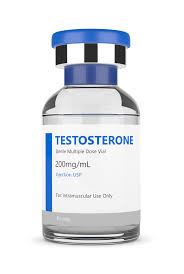
You can buy quality testosterone at www.DavinciOmen.com

You can buy Finasteride (Proscar)  at www.DavinciOmen.com

Publié le

Botox Dosage and Administration: A Technical Guide to Clinical Application

Botulinum toxin type A, commonly known as Botox, represents one of the most widely utilized neurotoxin therapies in modern medicine. Since its FDA approval for cosmetic use in 2002, the clinical understanding of optimal dosing, reconstitution protocols, and injection techniques has evolved significantly. For practitioners seeking to achieve predictable, safe, and aesthetically pleasing outcomes, mastering the technical aspects of Botox administration is essential.

This article provides a comprehensive overview of Botox dosage parameters, reconstitution guidelines, injection techniques, and safety considerations based on current clinical evidence.

Mechanism of Action: The Scientific Foundation

Botox exerts its effects by cleaving SNAP-25, a protein essential for the docking and release of acetylcholine at the neuromuscular junction. This process temporarily inhibits neurotransmitter release, resulting in localized muscle relaxation. The onset of action typically occurs within 24 to 72 hours, with peak effects observed between 10 and 14 days post-injection. Duration of effect ranges from three to six months, depending on dosage, injection site, and individual patient metabolism.

Understanding this mechanism is critical for determining appropriate dosing strategies and managing patient expectations.

Reconstitution Protocols: Achieving Accurate Dosing

Proper reconstitution of Botox is the foundation of accurate dosing. Botox is supplied as a vacuum-dried powder in vials containing 50, 100, or 200 units. Reconstitution should be performed using sterile, preservative-free 0.9% sodium chloride injection.

Vial Size Dilution Volume Final Concentration
100 units 1.0 mL 10 units / 0.1 mL
100 units 2.0 mL 5 units / 0.1 mL
100 units 2.5 mL 4 units / 0.1 mL
100 units 4.0 mL 2.5 units / 0.1 mL

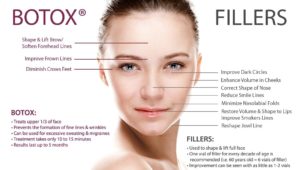
Standard dilution for cosmetic use is typically 2.0 mL to 2.5 mL of saline per 100-unit vial, yielding a concentration of 4–5 units per 0.1 mL. Lower concentrations (more dilute) are often preferred for larger surface areas to reduce the risk of diffusion-related complications. Higher concentrations (more concentrated) are used for precise, targeted muscle groups such as the orbicularis oculi.

Reconstituted Botox should be stored under refrigeration (2°C to 8°C) and used within 24 hours for optimal potency, though many practitioners use it within four hours to ensure maximum efficacy.

Dosage Guidelines by Treatment Area

Dosing varies significantly based on muscle mass, gender, desired effect intensity, and prior treatment history. The following represent standard dosage ranges for common cosmetic indications.

Glabellar Complex (Frown Lines)

  • Total dosage: 20 units (range 16–30 units)

  • Injection points: 5 sites (procerus, corrugators)

  • Technical note: Injection should be placed into the corrugator supercilii and procerus muscles, avoiding the levator palpebrae to prevent ptosis.

Forehead Lines (Frontalis Muscle)

  • Total dosage: 8–20 units (variable based on muscle strength)

  • Injection points: 4–8 sites, typically 1–2 cm above the orbital rim

  • Technical note: Dosing must account for the balance between frontalis and brow depressors; overdosing can result in brow ptosis or a flattened appearance.

Crow’s Feet (Lateral Orbital Lines)

  • Total dosage per side: 8–12 units

  • Injection points: 3 sites per side, placed 1–1.5 cm lateral to the orbital rim

  • Technical note: Superficial intradermal injections reduce the risk of ecchymosis and diffusion to the zygomaticus major, which can affect smile symmetry.

Bunny Lines (Nasalis Muscle)

  • Total dosage: 4–6 units

  • Injection points: 1–2 sites per side along the dorsum of the nose

  • Technical note: Use small volumes and superficial placement to avoid diffusion into the levator labii superioris.

Mentalis (Chin)

  • Total dosage: 4–8 units

  • Injection points: 1–2 sites

  • Technical note: Indicated for “peau d’orange” texture or chin dimpling; injection should be placed into the mentalis muscle belly.

Masseter Muscle (Jaw Contouring / Bruxism)

  • Total dosage per side: 20–30 units

  • Injection points: 2–3 sites per side, distributed along the masseter belly

  • Technical note: Palpate the muscle during contraction to identify the widest point; deeper intramuscular injection ensures optimal effect.

Platysmal Bands (Neck)

  • Total dosage per band: 5–10 units

  • Injection points: 2–3 sites along each band

  • Technical note: Superficial, horizontal injection technique with the band pinched between fingers minimizes the risk of dysphagia.

Therapeutic Dosage Indications

Beyond cosmetic applications, Botox is utilized for several therapeutic indications with distinct dosing protocols.

Indication Total Dosage Injection Sites
Chronic Migraine 155 units 31 sites across head and neck
Axillary Hyperhidrosis 50 units per axilla 10–15 sites per side
Cervical Dystonia 200–300 units Divided among affected neck muscles
Upper Limb Spasticity 200–400 units Distributed to target muscle groups

These therapeutic protocols follow established injection paradigms and should be administered in accordance with FDA-approved guidelines.

Injection Technique: Precision and Safety

Needle Selection

  • 30-gauge, 0.5-inch needle: Standard for most cosmetic applications

  • 32-gauge, 0.375-inch needle: Preferred for periocular areas and fine lines

  • 27-gauge, 1.5-inch needle: Used for deeper muscles such as masseter or cervical dystonia

Injection Depth

  • Intradermal: Superficial injection for fine lines and hyperhidrosis

  • Subcutaneous: For platysmal bands and superficial muscles

  • Intramuscular: Required for masseter, glabellar complex, and spasticity

Common Technical Errors

  • Diffusion to unintended muscles: Caused by excessive volume, overly dilute concentration, or post-injection massage

  • Brow ptosis: Results from frontalis overdosing or diffusion to levator palpebrae

  • Ectropion: Occurs when injection of lateral orbicularis is placed too close to the lower lid margin

  • Asymmetry: Often due to unequal dosing between contralateral muscles

Safety Considerations and Contraindications

Absolute Contraindications

  • Known hypersensitivity to botulinum toxin or any formulation component

  • Infection at the intended injection site

  • Myasthenia gravis or Eaton-Lambert syndrome

Relative Contraindications

  • Pregnancy or breastfeeding

  • Concurrent use of aminoglycoside antibiotics or other neuromuscular blockers

  • Bleeding disorders or anticoagulant therapy

Adverse Events

Most adverse events are mild, transient, and injection-site related. These include:

  • Ecchymosis (incidence 5–10%)

  • Headache (incidence 5%)

  • Transient brow or eyelid ptosis (incidence 1–3% with proper technique)

Conclusion

Effective Botox administration requires a comprehensive understanding of reconstitution protocols, muscle anatomy, dosage optimization, and injection technique. Precise dosing—tailored to each patient’s unique anatomy and treatment goals—is essential for achieving consistent, natural-looking results while minimizing adverse events. As the clinical applications of botulinum toxin continue to expand, maintaining rigorous technical standards remains the cornerstone of safe and effective practice.

Visit www.RasputinShop.com for the quality Botox.